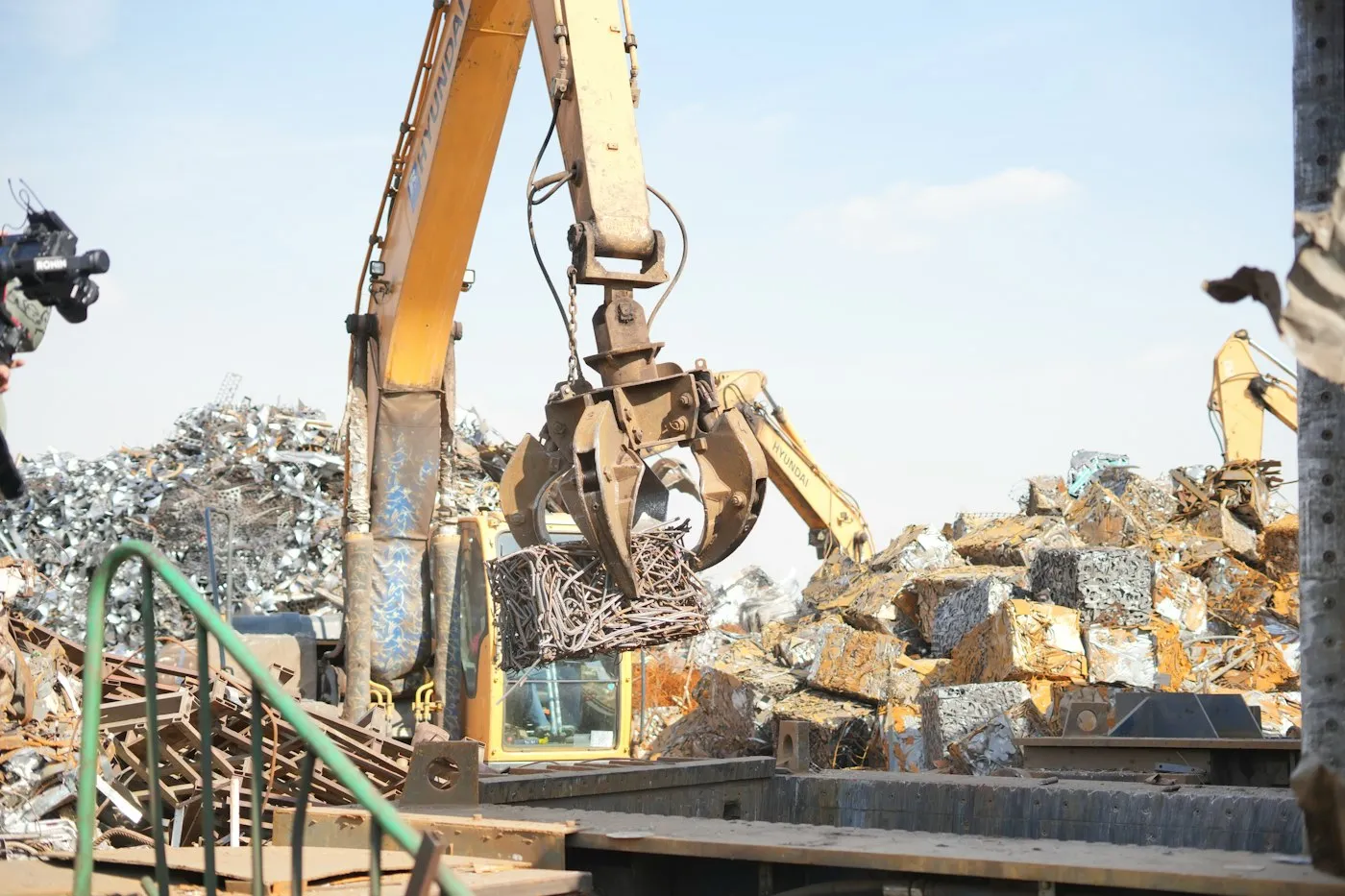
Until 2017 every machine in the hall fed one skip. Steel, stainless, aluminium and bronze swarf, mixed with coolant, went to a scrap dealer who paid a mixed-metal price and, we later found out, sent most of it to landfill. That year we did the sum.
What mixed swarf is worth
Mixed machining swarf sells for roughly a third of the price of clean, segregated swarf of the same alloys. Aluminium swarf mixed with steel is barely worth collecting; the same aluminium, clean and dry, sells at close to ingot price minus the melt loss.
We produce about 240 tonnes of swarf a year. At the mixed price it was worth a little under €40,000. Segregated, it is worth about €110,000.
What segregating costs
Forty-one colour-coded bins, one per machine per alloy. A centrifuge to spin the coolant out of the aluminium so it ships dry. A morning of training, and a rule: a bin with the wrong metal in it is emptied into the mixed skip, whoever put it there. Total outlay, including the centrifuge: €31,000.
The bins paid for themselves in five months. Everything since has been margin, and none of it goes to landfill.
What it did for the certificate
Sorting by alloy is also what made ISO 14001 possible. The auditor wants a chain of custody for every stream: where it came from, who took it, what it became. Mixed swarf has no chain. Segregated swarf has a weighbridge ticket and a mill receipt per stream.
Last year the total across swarf, offcuts and unrecoverable remanufacturing returns was 2,840 tonnes back to the melt. Landfill: none.