Corporación Energética del Noroeste held a fifteen-year PPA with an industrial offtaker in Guaymas, priced against a yield model that assumed European soiling behaviour. The site sits 40 km east of Hermosillo on alluvial flats — level, inexpensive, close to the 115 kV line, and covered in fine silt that moves with every spring wind. Their own reference plant 200 km south had been giving up close to seven per cent of annual production to dust, and its central inverters had been derating through most of July and August. The Guaymas contract carried a production floor with liquidated damages attached. Nobody on either side wanted a second plant built to the same assumptions.
Two constraints ran against each other. Heat is handled with airflow and headroom, which argues for taller mounting and wider rows; dust is handled with washing, which needs water this site does not have. The aquifer beneath the Costa de Hermosillo is over-allocated, and the state permit released no agricultural-grade water for module cleaning. Ambient air passes 45 °C for roughly 300 hours a year, taking cell temperatures beyond 75 °C, where a conventional array sheds four to five per cent of output through the temperature coefficient alone. The surrounding wheat and table-grape land is ploughed in March, and every access road is caliche. The dust arrives whether or not anyone plans for it.
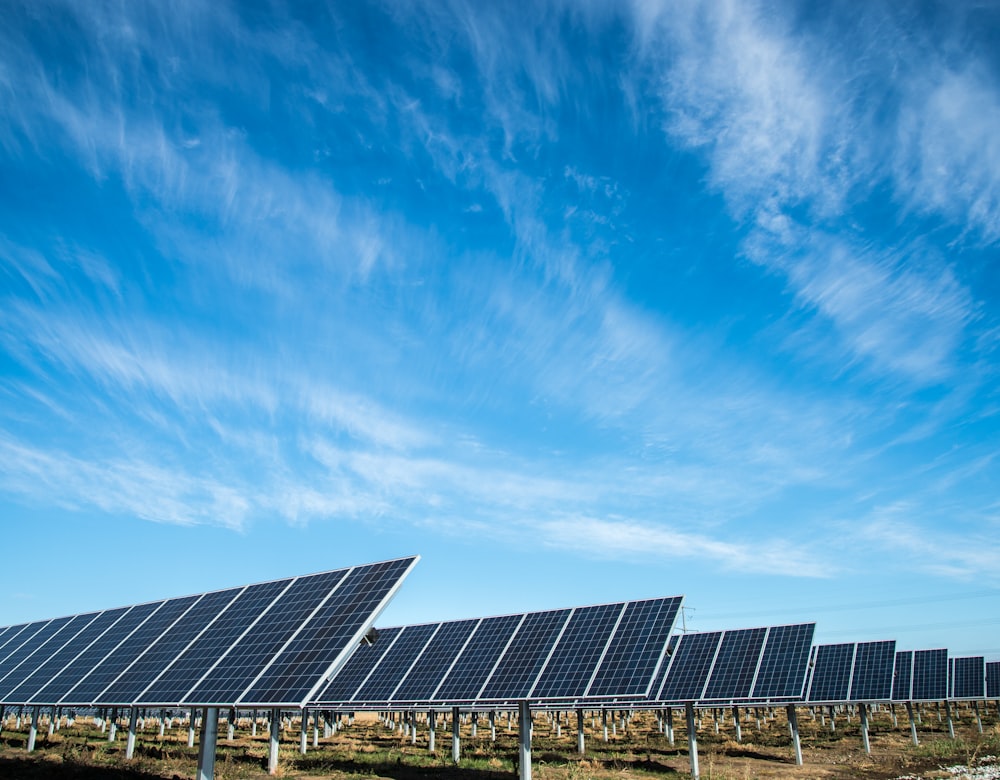
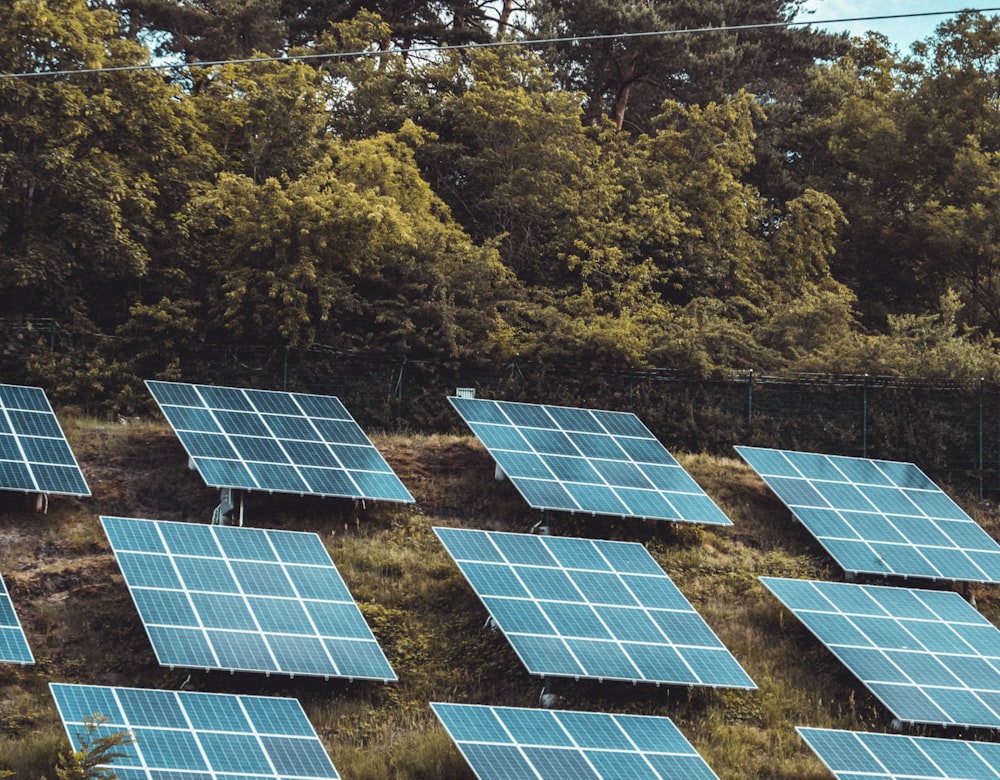
195 hectares of single-axis trackers carry 186,400 bifacial glass-glass modules, mounted with the torque tube at 2.4 m — high enough to hold the lowest module edge clear of saltating sand and to let air move under the array through the afternoon. Row pitch is 6.4 m, wider than the yield model asked for, bought back by rear-side gain off pale desert soil measured at 0.32 albedo. Strings run to 168 Sungrow SG350HX inverters rated for full output to 50 °C, distributed along the rows rather than grouped in a central block. A 115/34.5 kV substation with two 75 MVA transformers specified at 50 °C ambient ties the plant into the CFE line at Zona Norte.
Cleaning is dry and resident. Each tracker row carries its own microfibre robot — 1,150 units, charged from the row and run overnight on a rolling schedule, so no module goes more than three days without a pass. No water, no crews on the array at midday. Access roads and the perimeter were treated with a polymer soil binder and planted with a double line of mesquite on the prevailing south-westerly, which takes out the dust generated on site before it ever reaches glass. Soiling loss across the first full year averaged 1.4 per cent, and the inverters have not curtailed for temperature on a single day since commissioning.
First-year P50 yield, against a 214 GWh forecast.
Annual average, with dry robotic cleaning.
Glass-glass bifacial across 195 hectares.
Against a 97.5% contractual guarantee.

The cleaning robots were the hardest line item to defend — nobody wants to sign for 1,150 of anything. It stopped being an argument the morning after the first March storm, when the plant came back to full output by itself.
Choose a demo, import it in minutes, and customize it to fit your brand.