Danubia Automotive Kft. builds vehicles in Győr on a continuous three-shift pattern, and an unplanned hour of downtime costs the plant more than a month of its electricity bill. The board had approved a 9.6 MWp rooftop array to hedge against Hungarian wholesale prices, then attached a condition that sent most contractors away: not one shift could be lost to the build, and the roof over the body shop could not be penetrated at any point. Two earlier surveys had recommended waiting for the 2027 reroofing programme and doing the work on an empty building. The site's energy manager wanted the array generating three winters before that.
The roof is 61,000 m² of standing-seam aluminium laid over open-web steel trusses designed in 1998, with roughly 12 kg/m² of spare capacity — enough for an array, but only just, and only if the load stayed distributed rather than concentrated. Below it sat 340 robots, an e-coat line that cannot be restarted quickly, and some 90 polycarbonate rooflights that will not carry a person's weight. The plant's 20 kV distribution had no free bay at either main substation, and the obvious tie-in window — the August works holiday — was already committed to a compressor replacement. Every constraint on the job argued for stopping the line for a week.
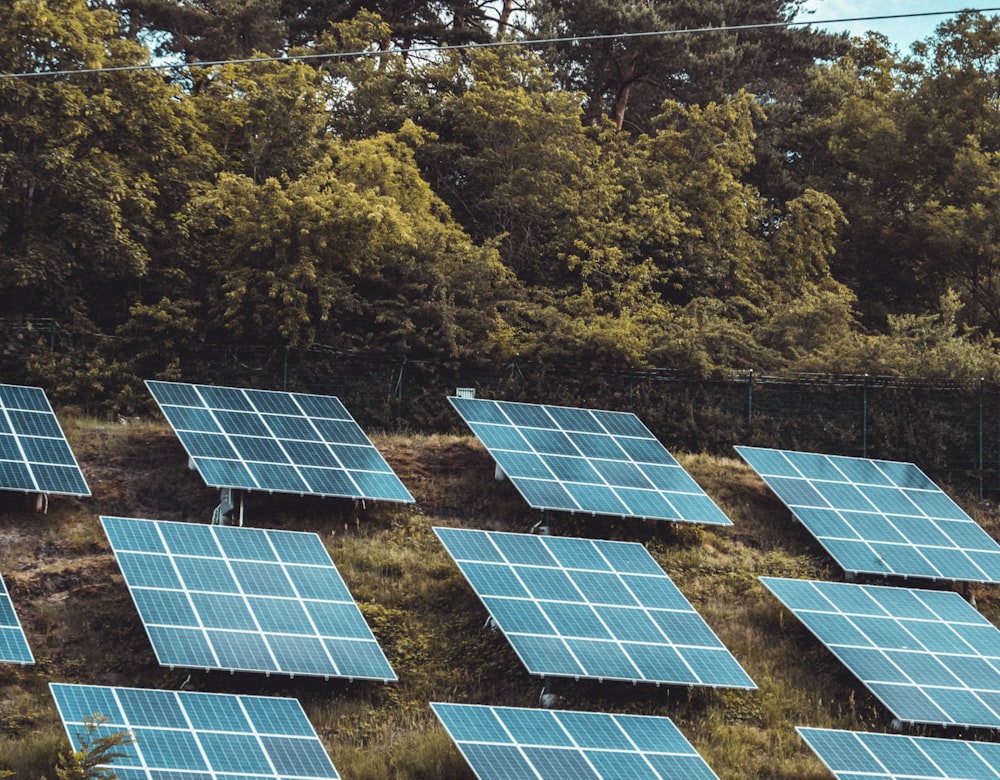
16,410 modules at 585 Wp sit on S-5! PVKIT clamps that grip the standing seam directly: no fixings through the sheet, and the whole array removable without touching the weatherproofing. Dead load came out at 9.8 kg/m², spread across every seam rather than gathered at discrete rail feet, and the Eurocode snow and uplift cases were rechecked against the original 1998 truss calculations before a pallet went up. Twenty-four Sungrow SG350HX string inverters sit on the roof plant deck in six clusters, feeding a new 20 kV outdoor switchroom at the north gable rather than competing for space inside the existing substations.
The tie-in was built as a new ring-main unit spliced into the 20 kV loop at a point that could be transferred by closed transition — twelve minutes of paralleled operation at 04:00 on a Sunday, with the line running throughout. Materials went up at the north gable on a dedicated hoist, well clear of anything live, and crossed the roof on rubber-tyred trolleys. Every tool above the production hall was tethered, rooflights were meshed before work approached them, and DC cabling ran in surface trunking to keep drilling off the deck entirely. Commissioning proceeded cluster by cluster over eleven weeks.
Covers 14% of the plant's electricity use.
16,410 modules over 61,000 m² of roof.
Three shifts ran through the entire build.
Per year, against the Hungarian grid mix.

What I did not expect was the paperwork — every roof shift needed a hot-work permit signed by my team at 05:40, so for four months somebody from maintenance was standing up there before the line even started.
Choose a demo, import it in minutes, and customize it to fit your brand.