The standfirst promises honesty about schedules, so let us start there. In 18 years we have closed 480 projects, and the ones that went wrong almost never failed on technology. They failed on a date someone signed without the right to sign it. Early on we lost seven weeks on a 12 MWp project outside Zaragoza because a substation upgrade we did not control sat on the critical path. We had modeled the array beautifully and forgotten who owned the interconnection queue.
That lesson set the discipline we still run on. We quote fixed scopes, we build our own yield models rather than accepting the developer’s, and we decline any commercial-operation date whose dependencies live outside our contract. It costs us bids. It has also meant that across the last 60 months our as-built energy has landed within 3.4 percent of the P50 we underwrote, and no liquidated-damages clause has ever been triggered.
What honest models actually look like
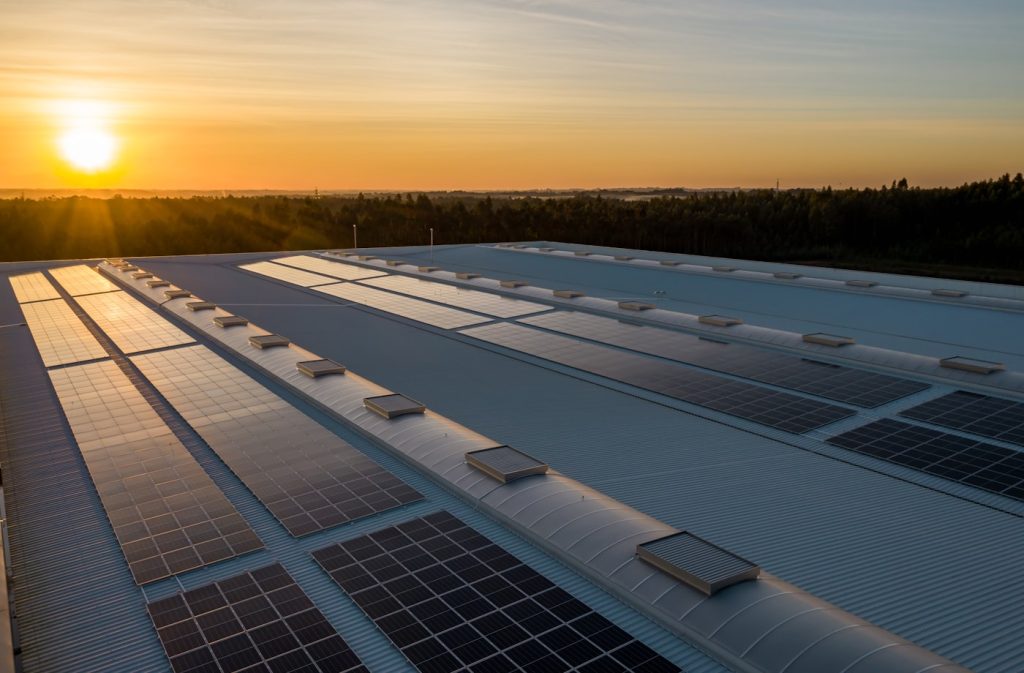
An honest yield model is mostly subtraction. On a recent 45 MW project in the Extremadura plateau we started at a theoretical 2,190 kWh/kWp and took it down deliberately: 1.8 percent for soiling on a site 40 km from active quarrying, 2.1 percent for a real degradation curve rather than the datasheet’s, 1.4 percent for the clipping our 1.28 DC/AC ratio was chosen to accept. The plant now delivers 84 GWh a year, and the owner knew that number before we broke ground rather than after the first summer disappointed them.
Fixed scope is the same idea applied to money. We price the whole plant, including the boring parts other EPCs leave as allowances: access roads, spare-parts inventory, the two-year O&M ramp. On the 480 projects we have delivered, the median change-order value is under 2 percent of contract, and most of that is genuine owner-requested scope rather than our own estimating repairs.
None of this is glamorous, and that is the point. Solar construction has spent a decade selling optimism. We would rather sell certainty, because a plant that underperforms its model for 30 years is a slow, quiet failure that no ribbon-cutting undoes.
Looking at the next five years, we expect the market to reward this posture more, not less. As merchant exposure grows and storage co-location becomes standard, developers will need partners who can commit to a firm schedule and a bankable yield across a coupled system. We are already building four solar-plus-storage projects on that basis, and the conversations start where they should: with what we can honestly sign, not with what we wish were true.