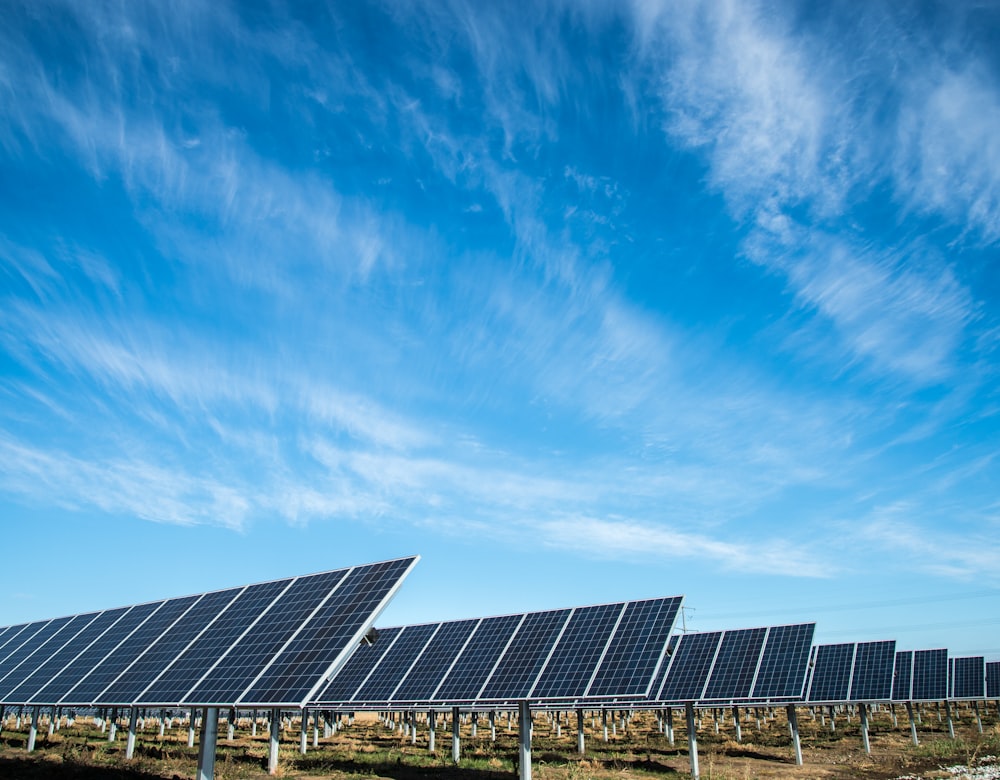
When Cascade Grid Holdings brought us the Thornapple project in the Columbia Basin, the brief was narrow: they wanted to know, before financial close, whether the bifacial premium was real or a spec-sheet promise. So we built the plant to answer that question and instrumented it to prove it. Two years of clean data later, we can.
Thornapple is a 96 MWp array — 262,000 modules on single-axis trackers across 140 hectares outside Moses Lake, energized in June 2024. We paired bifacial modules with a 1.2 gain-to-loss tracker algorithm and left a reference block of 4,800 monofacial panels wired to a separate meter. Same inverters, same string lengths, same soiling schedule. The only variable we cared about was the back of the glass.
Where the 9% comes from
Over 24 months the bifacial-plus-tracker blocks produced 218 GWh against a monofacial-fixed baseline modeled at 200 GWh — a 9.1% uplift, holding steady across both summers. It does not arrive in one lump. Roughly 5.5 points come from the trackers following the sun through the long Basin mornings; the remaining 3.6 points are rear-side gain, and that fraction is where the site does the work. Ground cover of native bunchgrass and pale silty soil gave us a measured albedo near 0.30 for eight months of the year, climbing past 0.55 when snow sat on the field in January and February — exactly when the low sun angle throws the most light under the racks.
The rear contribution is not uniform, and pretending otherwise is how yield models overpromise. Edge rows out-earn interior rows by close to two percentage points because they see unshaded reflected light. We set tracker torque-tube height at 1.6 m and held row pitch at 6.5 m specifically to buy back some of that interior shortfall, and the monitoring confirms the trade paid for its steel.
Degradation matters more than the headline number, so we watch it closely. The bifacial fleet is tracking a first-year loss of 1.4% and roughly 0.42% annually thereafter — inside the module warranty and, notably, no worse than the monofacial reference despite the added rear exposure. Bifaciality of the cells has held near its rated 70%.
What we tell the next client is plain: bifacial and trackers together earned their premium at Thornapple, but the 9% is a site number, not a product number. It was underwritten by ground albedo, row geometry and a latitude that rewards tracking. On a dark-soiled site with tight pitch, we would forecast closer to 5%, and we would say so before anyone signed. The data is the point. We would rather commit to a figure we have already measured than sell one we hope to hit.