Nadmorski Terminal Kontenerowy moves 1.4 million TEU a year across the deepwater quay at Gdańsk, and until 2024 every vessel alongside made its own power. A 366 m container ship holds 3 to 5 MW of hotel and reefer load for an average 16-hour call, all of it from auxiliary diesels burning marine gasoil forty metres from a residential district. The Alternative Fuels Infrastructure Regulation sets a 2030 date for shore power at TEN-T core ports; the terminal's own lease renewal set an earlier one. The existing 110/15 kV connection had roughly 6 MW of headroom, and the distribution operator quoted five years for anything more.
Shore power is not a steady load. A vessel picking up 4.5 MW in under a minute is a step change the point of common coupling cannot absorb without breaching flicker limits, and the six ship-to-shore cranes add their own signature — regenerating hard on every container lowered. Most vessel switchboards run at 60 Hz against a 50 Hz quay. Nor was there anywhere obvious to put a generating plant: a working container terminal has no spare hectares, only roofs, and the roofs sit under the crane rails' approach paths. Two of the three contractors invited to tender proposed a grid reinforcement and a wait.
9.6 MWp of PV in three parcels — 4.1 MWp on the warehouse roofs, 2.4 MWp of canopy over the truck marshalling yard, and 3.1 MWp on the reclaimed spoil bank east of the basin, where nothing can be stacked anyway. An 8 MW / 17 MWh LFP battery sits in eight containers behind the workshop, tied to the same 15 kV ring as the arrays and the quay. Six high-voltage shore connection points built to IEC/IEEE 80005-1 serve berths 4 to 9 at 6.6 and 11 kV, fed through two 4 MVA static frequency converters that hold 60 Hz for the vessels that need it.
The battery, not the grid, takes the step. The microgrid controller reads berth arrivals from the terminal operating system and pre-positions state of charge two hours ahead, so a connecting vessel draws from storage while grid import ramps over ninety seconds. Crane regeneration goes the same way, into the battery rather than the braking resistors. Import at the point of common coupling stays under 6 MW at all times — no reinforcement, no five-year wait — and the converters ride through 200 ms dips, so a passing fault on the 110 kV network does not put a berthed ship back on its own generators.
Annual hotel load taken off auxiliary diesels.
Measured against the 2023 bunker fuel baseline.
Recorded at the terminal air quality mast.
Each switchable between 50 and 60 Hz.

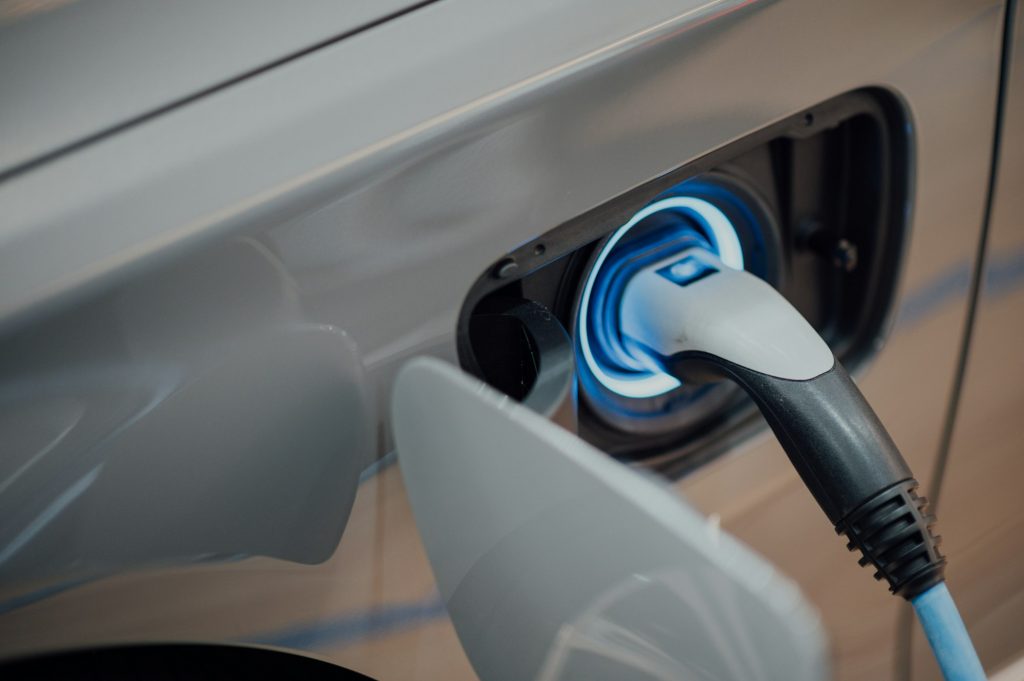

The first two vessels refused the connection because nobody aboard had done a live changeover, so we spent a fortnight rewriting the berthing procedure — now the masters ask for the cable before we offer it.
Choose a demo, import it in minutes, and customize it to fit your brand.